
Application-specific
The board starts from the product function and operating context.
CUSTOM CONTROL BOARD DEVELOPMENT
Develop a custom control board around your product’s power, interfaces and required functions. For LED lighting projects, share the input voltage, LED load, board dimensions and control requirements so we can review the development scope.
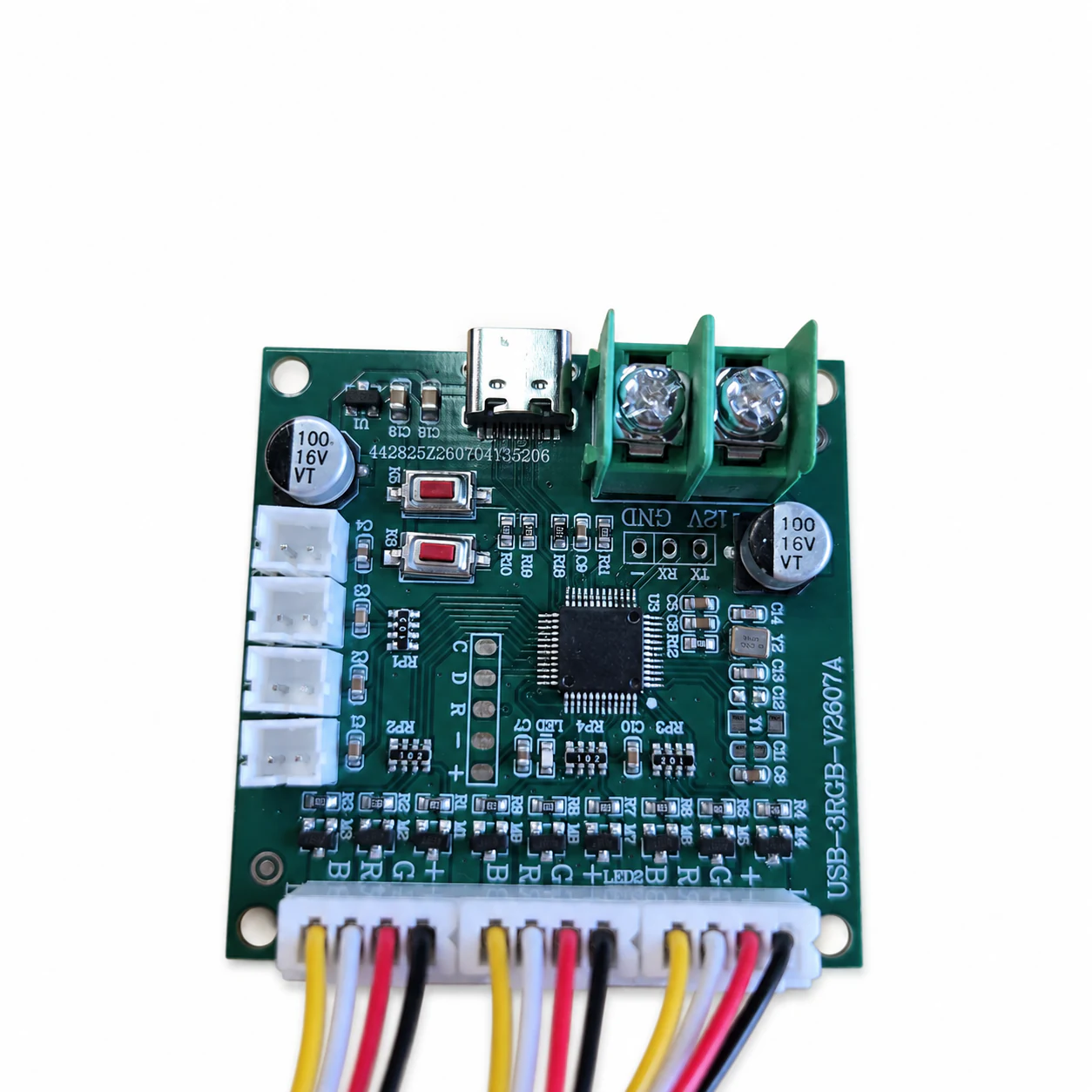
The board starts from the product function and operating context.
Critical assumptions are checked before repeat production.
Acceptance points are defined for the agreed project scope.
Approved requirements follow the design into assembly and test information.
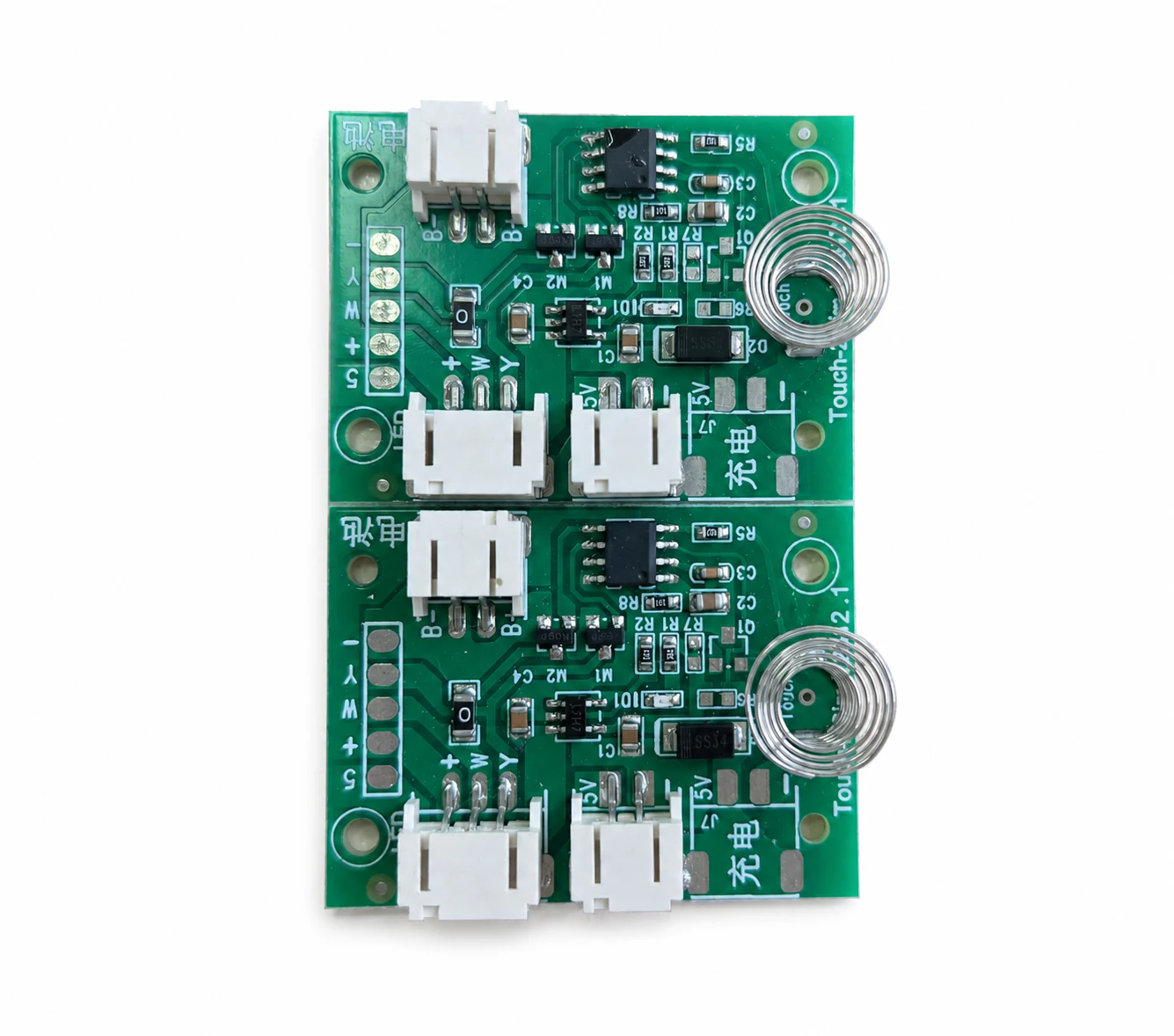
ONE PROJECT, ONE CONFIRMED SPECIFICATION
A useful project brief connects the required behavior with the electrical, mechanical, environmental, and production conditions around it.
APPLICATION-LED DEVELOPMENT
A control board must fit the electrical system and the physical product at the same time. Connector direction, wiring access, load behavior, enclosure space, thermal conditions, sensing, and service requirements can all change the circuit and layout decisions.
The development path therefore begins with the application and the available evidence. Drawings, photos, an existing board, a reference sample, or a structured requirements list can each provide a practical starting point. The exact activities, deliverables, ownership, verification methods, and schedule are confirmed per project.
COMMON PROJECT DIRECTIONS
These are application-specific project directions rather than off-the-shelf products. The actual architecture and scope depend on the reviewed requirements.
01 / GAMING MACHINES
Inputs, lighting, displays, peripheral interfaces, and operating logic can be reviewed around the target gaming or amusement product.
Gaming machine control boards — View details →02 / TOUCH CONTROL
Touch inputs, sensor behavior, status indication, and enclosure interaction can be defined for the intended application.
Touch control boards — View details →03 / DYNAMIC RGB
RGB or RGBW channels, dimming, effects, synchronization, and product interfaces can be reviewed against the required behavior.
Dynamic RGB lighting control boards — View details →04 / CHARGING
Battery type, charging source, power path, status indication, and protection priorities need to be confirmed for each project.
Charging control boards — View details →05 / AMBIENT LIGHTING
Smooth dimming, breathing effects, color transitions, triggers, and communications can be coordinated with the surrounding product.
Ambient lighting control boards — View details →DESIGN DECISIONS WE CONFIRM
Unknown values remain project inputs to be confirmed; they are not treated as fixed specifications or performance promises.
Required behavior, states, operating modes, protections, and user interactions.
Input range, conversion stages, loads, current demand, and power-quality conditions.
Sensors, switches, outputs, displays, communications, and subsystem relationships.
Outline, clearances, mounting, connectors, cable direction, and enclosure access.
Temperature, moisture, vibration, duty cycle, service conditions, and relevant risks.
Prototype checks and measurable acceptance criteria agreed for the application.
ENGINEERING FOCUS
SYSTEM FIT
For an LED control board, define brightness adjustment, RGB or RGBW channel behavior, lighting effects, triggers and interfaces. Review these requirements against the LED load, supply, firmware scope and agreed prototype checks; functions are confirmed for each project.
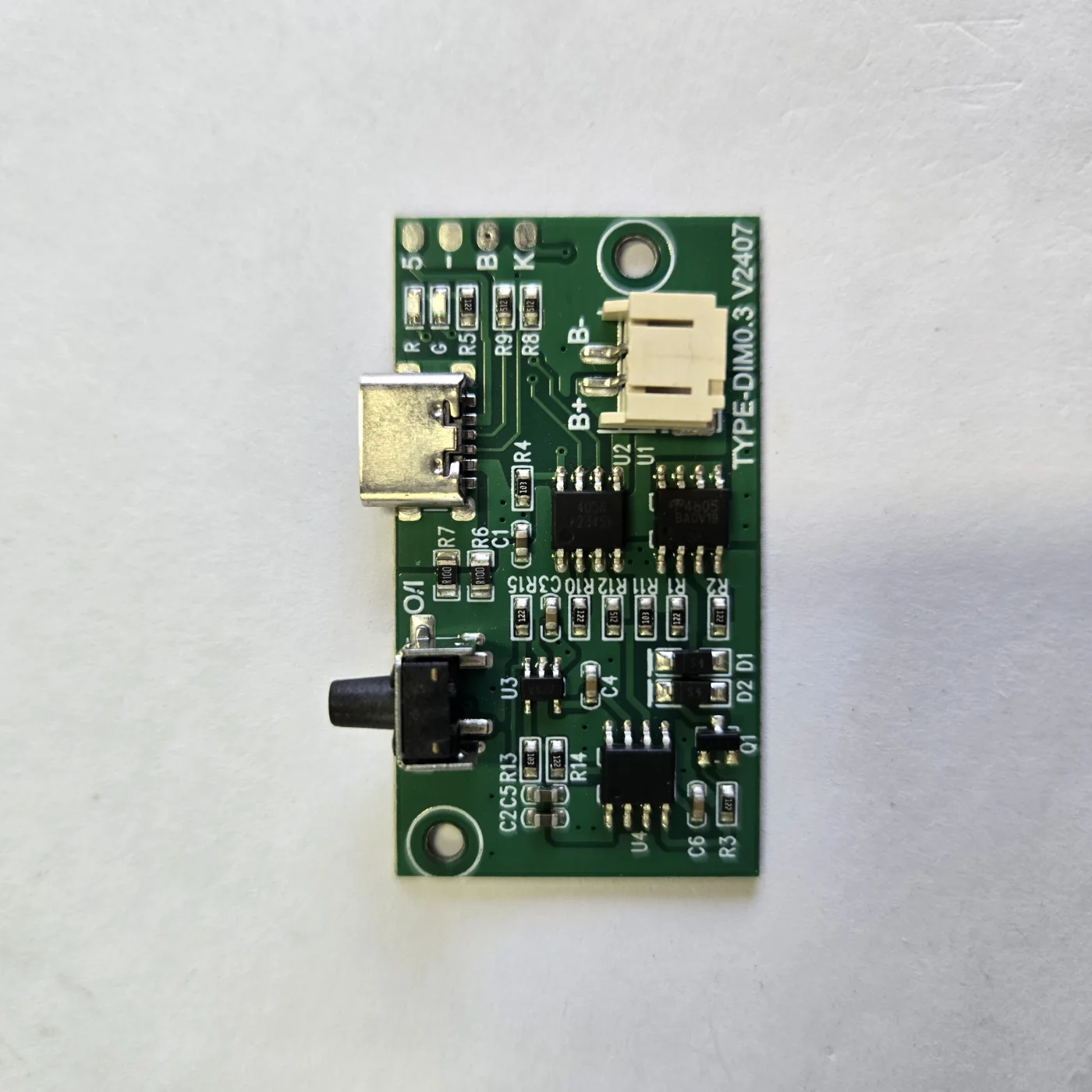
INTERFACES & GEOMETRY
Connector placement, mounting points, control inputs, sensor positions, and cable routing are reviewed as part of the physical system—not as isolated PCB details.
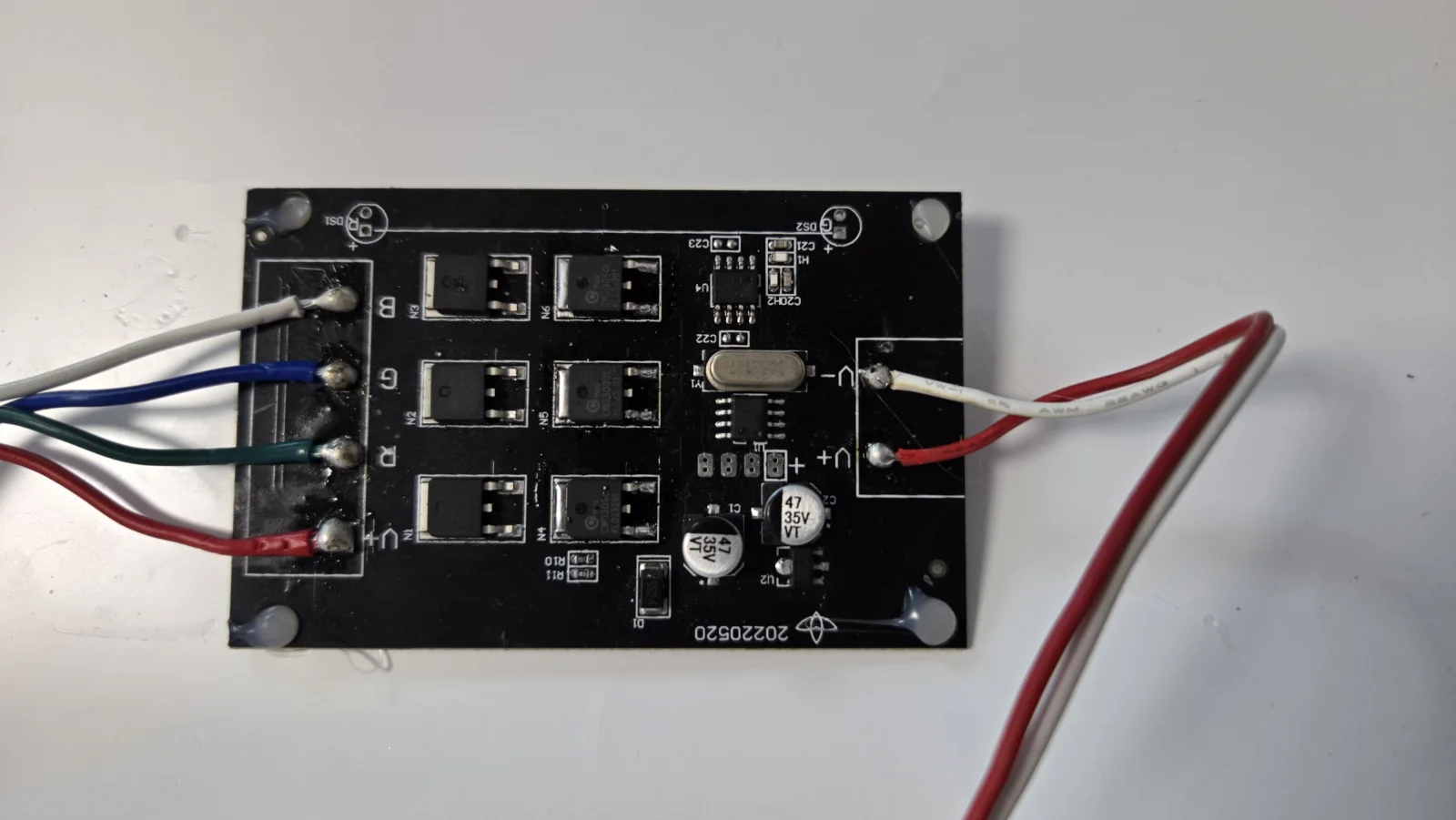
PROTOTYPE REVIEW
Prototype evaluation focuses on the agreed functional, electrical, mechanical, thermal, and assembly questions before the design proceeds to an approved handoff.
REVIEW FOCUS
CONTROLLED PROJECT PATH
Each stage produces a clearer decision point. A prototype or review result is not treated as production approval.
Review the application, available files or samples, constraints, priorities, and open questions.
Develop the agreed circuit, layout, interfaces, and sample route around the confirmed inputs.
Check agreed acceptance points, record findings, and revise the design where required.
Release the approved design information, sourcing, assembly, inspection, and packing requirements.
RFQ CHECKLIST
You do not need every answer before contacting us. Separate confirmed requirements from assumptions and open questions.
FREQUENTLY ASKED QUESTIONS
The answers below define how a project can begin without promising an unreviewed technical result or schedule.
PCB design is carried out in-house. Assembly and manufacturing can be coordinated with partner factories within the agreed scope. Component sourcing, sample quantities, inspection, functional testing and production acceptance criteria must be confirmed for the project.
Share the application, required behavior, input power, connected loads, interfaces, available space, environment, expected quantity, target date, and any drawings, photos, or existing files. For an LED control circuit board, also specify LED type, load, dimming or color-control behavior, and the driver interface.
Yes. Clear photos, dimensions, labels, known electrical details, reference files, and the reason for changing the current design can form a useful starting package. The feasible review scope is confirmed after the material is received.
Mechanical requirements can be evaluated together with electrical and manufacturing constraints. The final outline, mounting, connector placement, and clearances are confirmed for the specific project.
Firmware may be included when it is part of the agreed scope. Required behaviors, hardware interfaces, source-file ownership, deliverables, and acceptance criteria must be confirmed before work begins.
Evaluation points are selected for the application and may include function, power, I/O, thermal behavior, mechanical fit, assembly, or other agreed checks. A sample is not automatically a production approval.
Availability, function, lifecycle, and project priorities are reviewed before an alternative is approved. Substitutions that affect performance, layout, firmware, or validation require the relevant review.
Deliverables and source-file ownership depend on the agreed scope. The project should define which design, manufacturing, assembly, test, and firmware files are included before development starts.
A preliminary review can begin from requirements, but the information needed for a reliable scope and quotation depends on complexity, unknowns, and the starting material.
PROJECT INQUIRY
Include the application, available technical inputs, expected quantity, target date, and supporting files. Open questions are welcome.